Non-Incision · FUEWhat Makes Motential
What Makes Motential
Hair Transplants Special
Hello, I am Dr. Injae Lee, director of Motential Clinic in Cheongdam.
ABHRS Board CertifiedNon-Shaven FUEGolden-Ratio Design1-Year Follow-Up Care


If you are reading this, you probably have questions like these.
"There are dozens of hair transplant clinics. What makes Motential different?"
"They all look so similar. How do I choose one without regret?"
"There is so much advertising that I can't tell the real differences."
These are perfectly natural concerns. A hair transplant is a once-in-a-lifetime surgery, and because the results are permanent, a single choice shapes your appearance for life.
Once precious follicles are extracted, they can never be put back — so you have every reason to be careful.
Today, I will personally walk you through how Motential differs from other clinics. This is not marketing copy — it is a straightforward account of what actually happens in our consultation rooms.
Philosophy
The Motential Philosophy — Technology × Medicine × Art
At Motential Clinic in Cheongdam, a hair transplant is more than a simple implantation procedure.
We see hair transplantation as an art expressed through the union of medicine and technology. Only when it is analyzed scientifically, designed precisely, and implanted artistically with state-of-the-art equipment does the result look natural and last.
Because mastering all three is so difficult, the eight points of difference that Motential pursues were born.
Point 01
Difference 1. Surgery Focused on Just One Patient a Day
Here is how I see it: operating on multiple patients increases revenue. But the results simply cannot match those of devoting yourself entirely to a single patient.
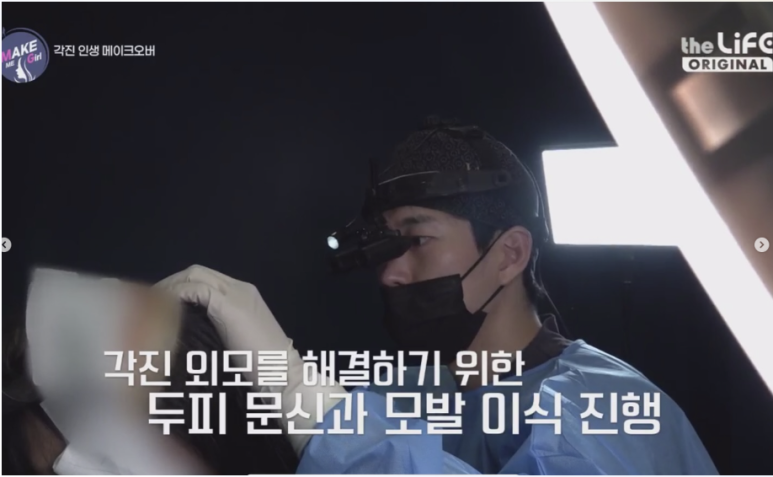
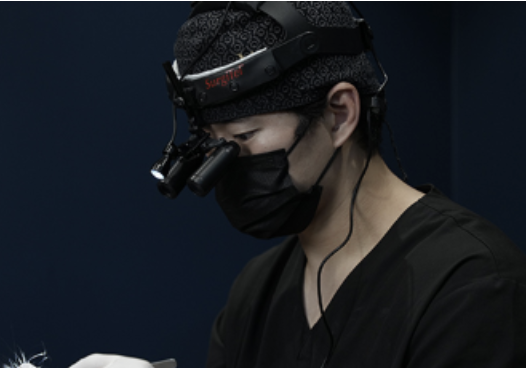
Non-incision FUE hair transplant surgery has two stages: first, the doctor wears high-magnification loupes and extracts each tiny follicle by hand, one by one; second, the extracted follicles are delicately implanted along the hairline and crown according to the pre-planned design, following the direction of hair flow.
Neither stage can be delegated to anyone else, and both demand intense concentration.
At Motential, the director focuses on just one patient a day, personally handling every step from consultation to surgery to post-operative care.
Point 02
Difference 2. Surgery performed personally by an ABHRS-certified surgeon
Among hair transplant physician credentials worldwide, the only truly authoritative one is the ABHRS (American Board of Hair Restoration Surgery) certification [1].
Only about 300 physicians worldwide hold this certification. Earning it requires passing a rigorous document review, verification of hundreds of actual surgical cases, and demanding written and practical examinations.
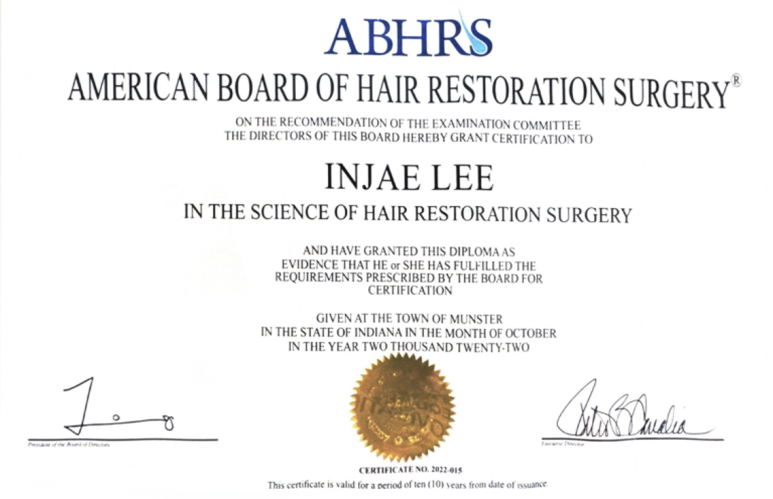
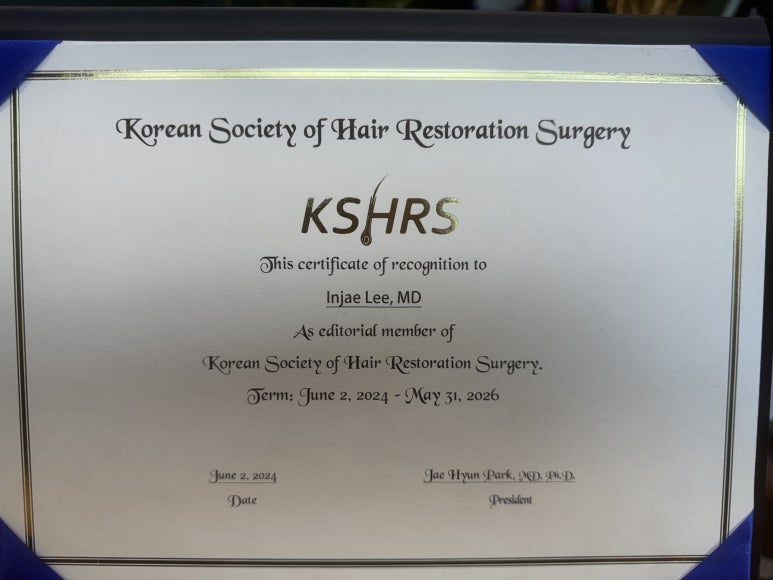
I am one of the few physicians in Korea who hold this certification, and I update my knowledge of the latest techniques and clinical findings every year through the ISHRS and the Korean Society of Hair Restoration Surgery.
Point 03
Difference 3. Precision diagnosis with AFS 3D x AI microscopy
A good surgical outcome starts with an accurate pre-operative diagnosis.
At Motential, we go beyond simple visual assessment, performing an AFS 3D x AI microscopic examination grounded in the latest academic findings and medical technology [2,3].
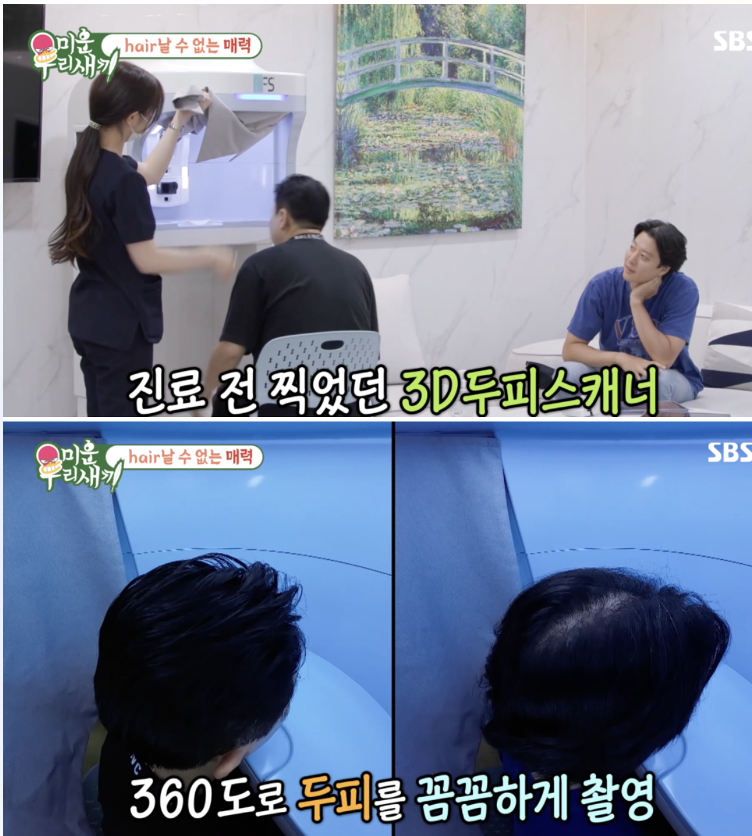
The diagnosis evaluates the following items.
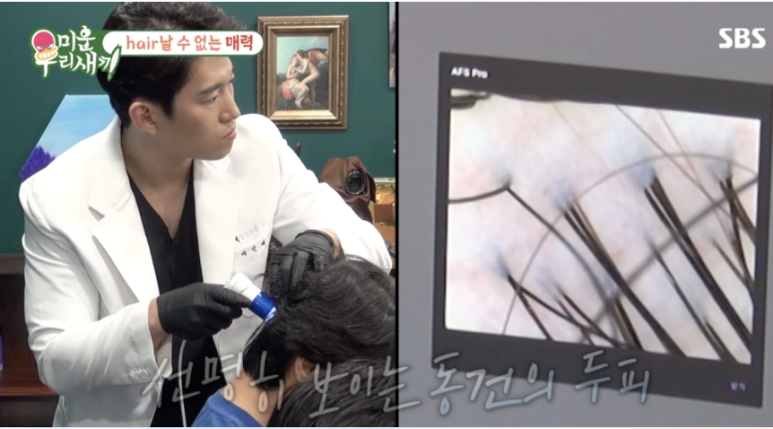
Scalp condition analysis, quantification of each follicle's growth stage, anagen-to-telogen ratio, and hair loss progression pattern -> Based on this data, we first establish a quantitative plan for "where and how to extract and implant so the grafts will grow well."
The greatest advantage of non-incision FUE is that follicles can be selectively extracted and placed exactly the way you want. From the very first consultation, an AI microscope analyzes density and thickness in real time, allowing a detailed plan of which follicles to extract and how to place them.
Point 04
Difference 4. State-of-the-art equipment and a follicle preservation system
Extracting and implanting follicles without damaging them — this is the key to a high graft survival rate [4].
Motential uses special equipment and systems to achieve this.
Our specially structured micro punch uses fluid-dynamic principles to extract follicles with minimal damage, and the Multiphasic Punch System enters at different rotation speeds depending on the skin layer, allowing fine adjustments at the ms and μm level [5].

We perform ultra-high-density implantation with real-time follicle quality checks and a high-magnification loupe system.
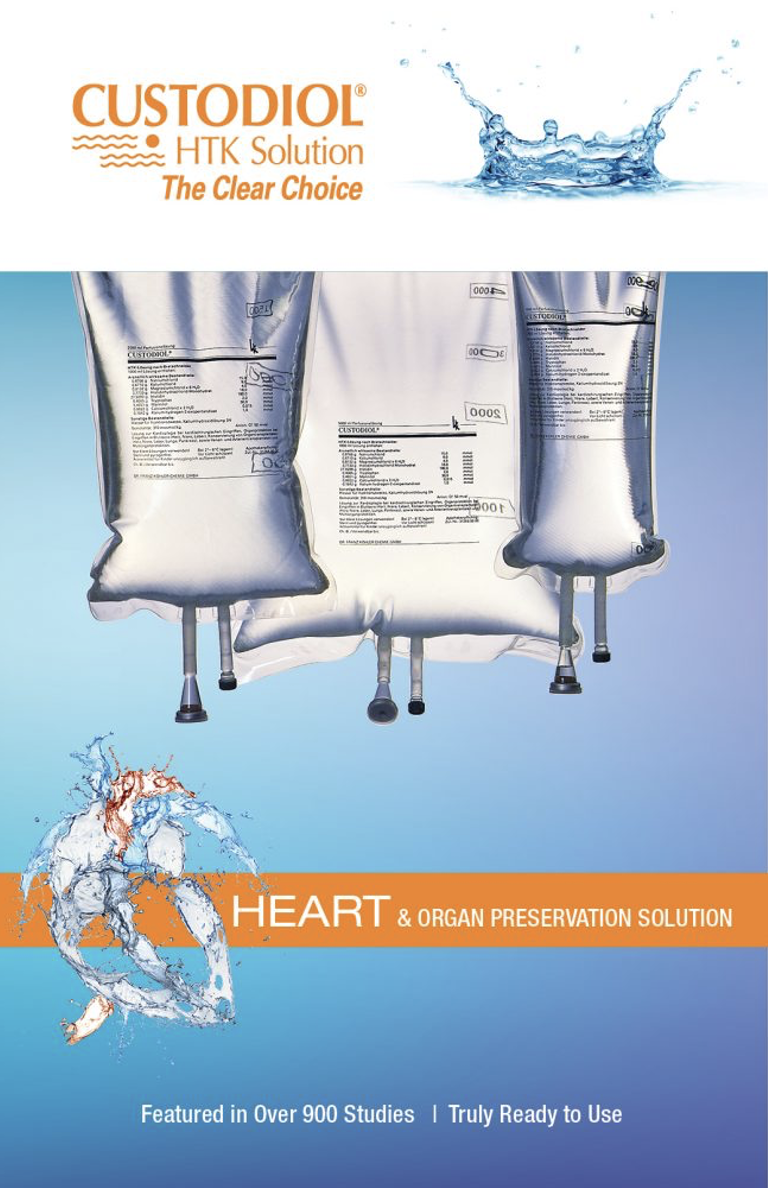
One more thing matters here. Extracted follicles are stored not in ordinary saline, but in an actual organ-transplant-grade preservation solution at an optimal 4–6°C [6].
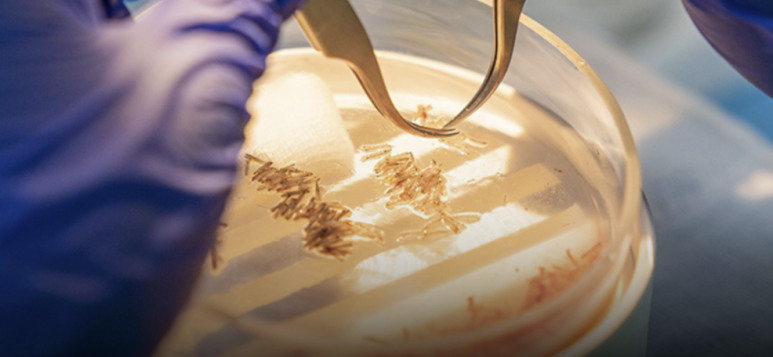
This preservation solution costs about 50 times more per liter than ordinary saline, but because it has a major impact on follicle survival, Motential has absorbed the cost and used it all along.
Point 05
Difference 5. Non-sedation pain care — surgery in comfort
"I'm afraid the surgery will be too long and painful." This is another concern I often hear in the consultation room.
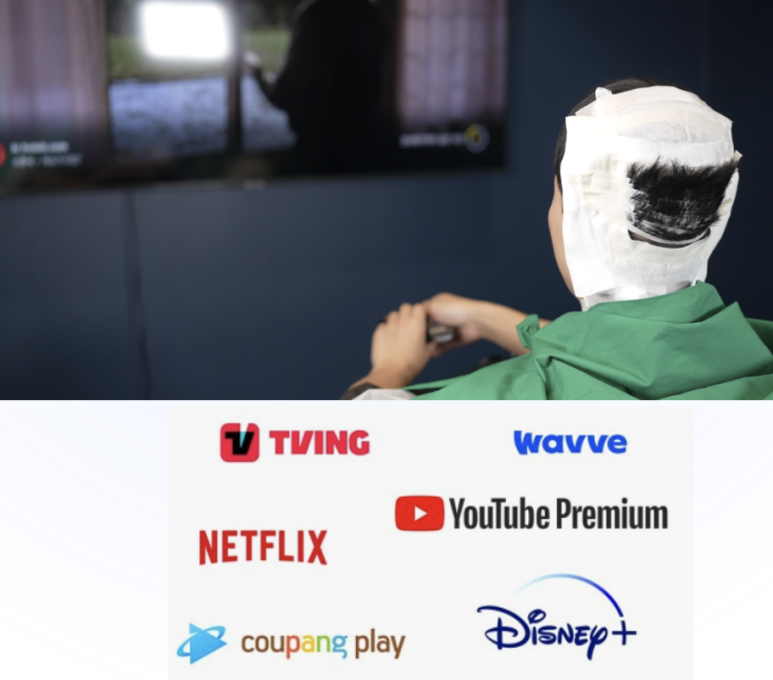
In hair transplant surgery, you feel a stinging pain for about a minute when the anesthetic is injected. Even this pain can be substantially reduced with our non-sedation pain care system (AirNOX) [7]. Some patients tell us they have almost no memory of pain at all.

During surgery, the environment is set up so you can comfortably watch TV or streaming, do light stretches, and use the restroom freely.
It is an especially good fit for those who find sedation daunting, are prone to motion sickness or nausea, or need a quick return to daily life after surgery.
Point 06
Difference 6. Golden-ratio personalized design
Even with a 100% graft survival rate, a hair transplant loses its meaning if the hairline design looks unnatural.
Hairline design is difficult because every face shape is different. And a face shape should not be viewed flat in 2D from one side — it must be evaluated three-dimensionally in 3D.
The director has long practiced sculpture and drawing, training in observing and portraying the human figure. That visual training is the foundation of hairline design in the consultation room.
There is a realistic limit to the number of follicles that can be transplanted. Within that limit, we draw out the golden-ratio hairline that best suits your face shape through thorough consultation. We approach it like creating a work of art, putting intention into every single hair we implant.

Point 07
Difference 7. On-site follicle technicians + high-magnification microscope team procedure
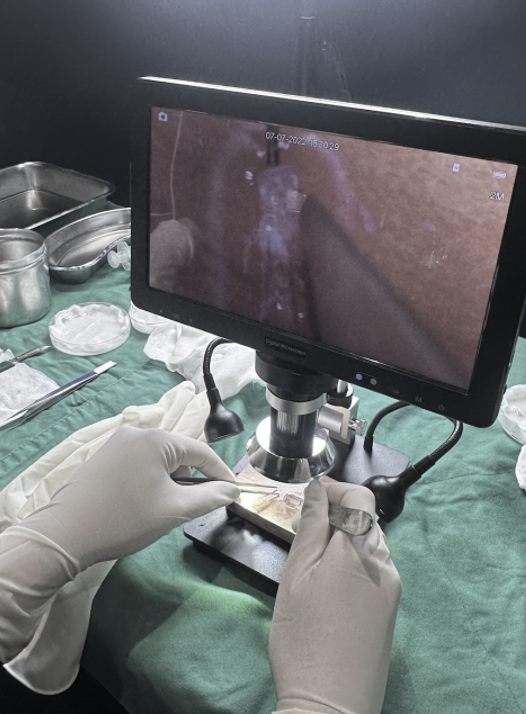
A good hair transplant result does not come from the surgeon's effort alone. The follicle dissection technician who separates and stores extracted follicles and keeps them viable until implantation also plays a vital role.
At Motential, skilled follicle dissection technicians work on site, precisely dissecting every extracted follicle under a high-magnification microscope. Both the director and the technicians wear loupes, taking care at every moment so that not even a small injury comes to any follicle.
Point 08
Difference 8. Truly non-shaven — a quick return to daily life
"Do I have to shave my head for a hair transplant? How many days off work will I need?"
That used to be the case, but with today's latest non-incision FUE techniques, things are different.
Motential's non-incision FUE hair transplant makes a truly non-shaven approach possible, designed so you can return to your busy routine without worry from the day after surgery. It is especially helpful for those with tight schedules — a wedding, an important presentation, or a business trip.
Point 09
Difference 9. Five-step accountable aftercare system
At Motential, a hair transplant does not end with the surgery itself.
Every hair transplant patient receives the following five-step aftercare as standard.
Step 1, the day after surgery — One shampoo service and disinfection of the donor area at the back of the head.
Step 2, first treatment at week 2 — One session of low-level laser therapy (LLLT) [8] and an exosome graft survival injection [9].
Step 3, testing and progress — At 6 months and 1 year after surgery, we quantitatively evaluate results with a graft survival microscopy exam.
Step 4, home care kit — We provide home care products tailored to each patient and free prescriptions for life. (Includes a graft survival spray containing exosomes)
Step 5, accountability guarantee — If the result falls short of expectations after surgery, we reinforce it through additional density reinforcement follow-up surgery and procedures.

Trust & Media
Grounds for trust — societies, lectures, and media
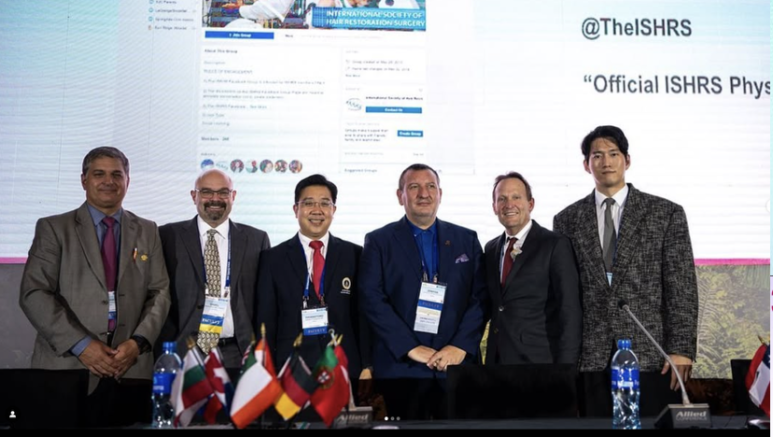
The director regularly lectures and presents at the ISHRS, the Korean Society of Hair Restoration Surgery, and other societies, and is one of the most active physicians in domestic and international academic circles in the field of hair transplantation.


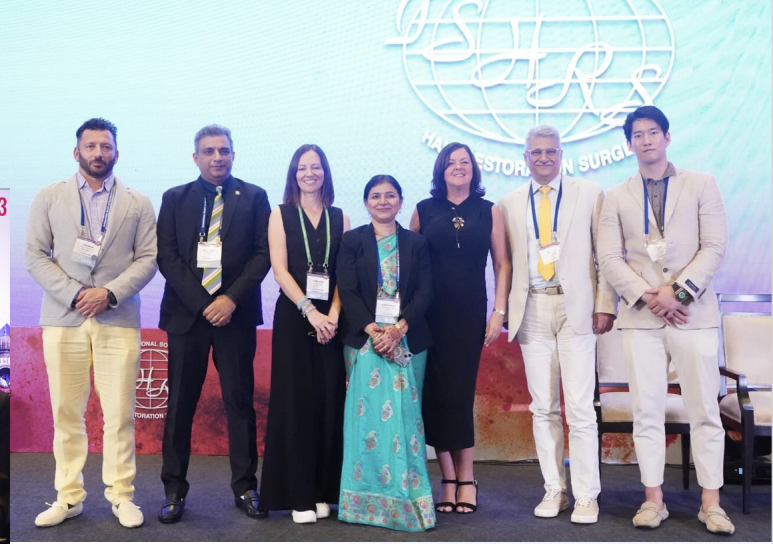
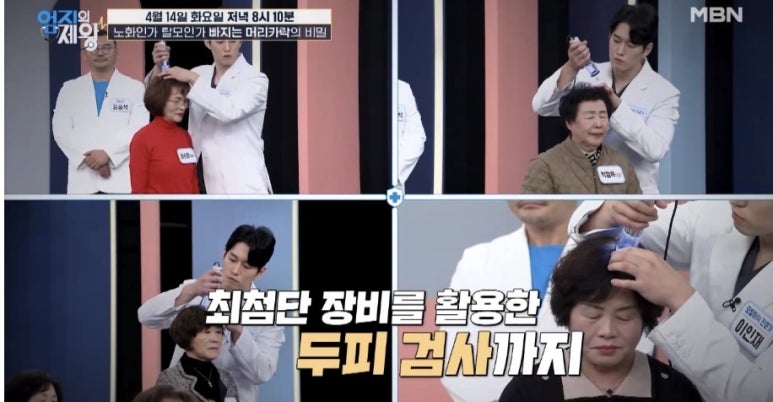
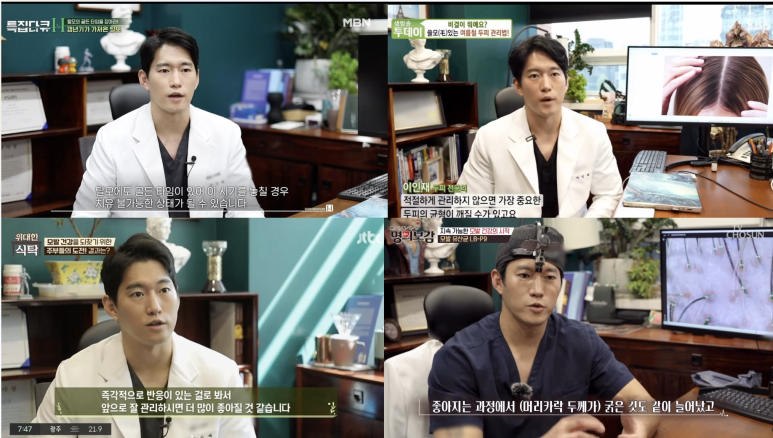
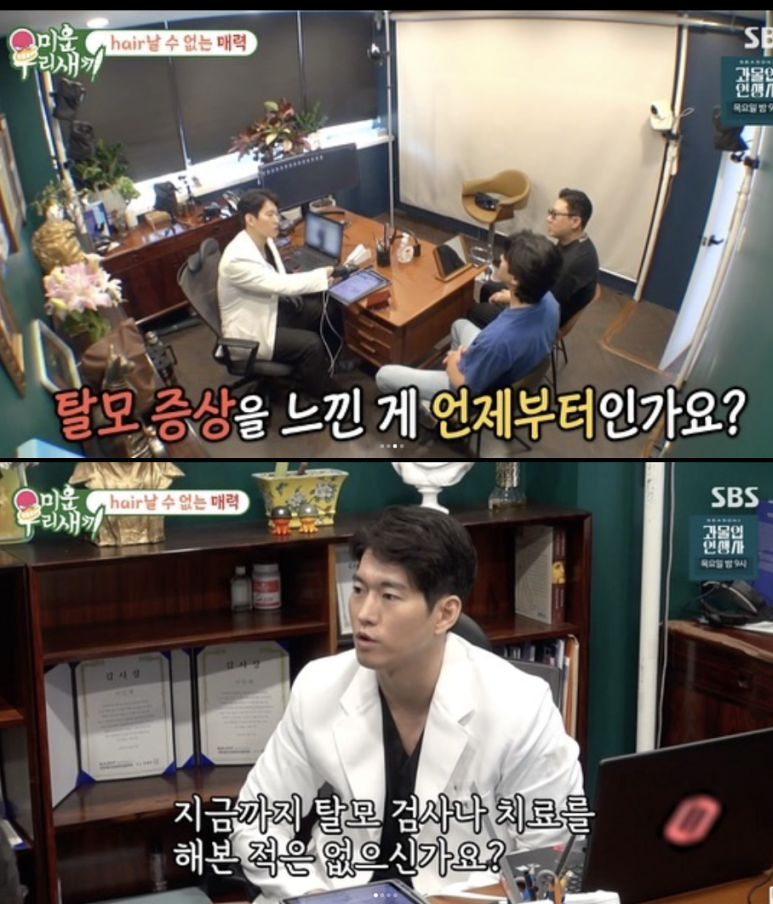
Media appearances — He has appeared as a hair loss and hair transplant expert across numerous outlets, including My Little Old Boy, Maekmigirl, JTBC's Dr. Jekyll and Guide, MBN's King of Thumbs, TV CHOSUN's Famous Health Methods, and an interview with Dong-A Yakbo.

Before / After
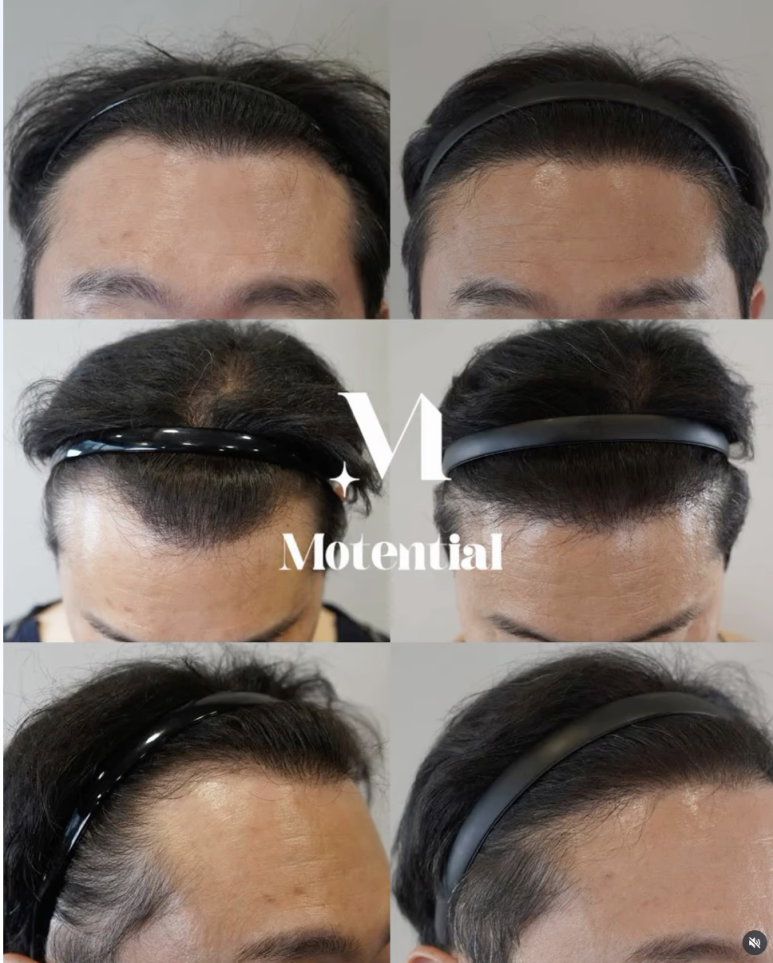
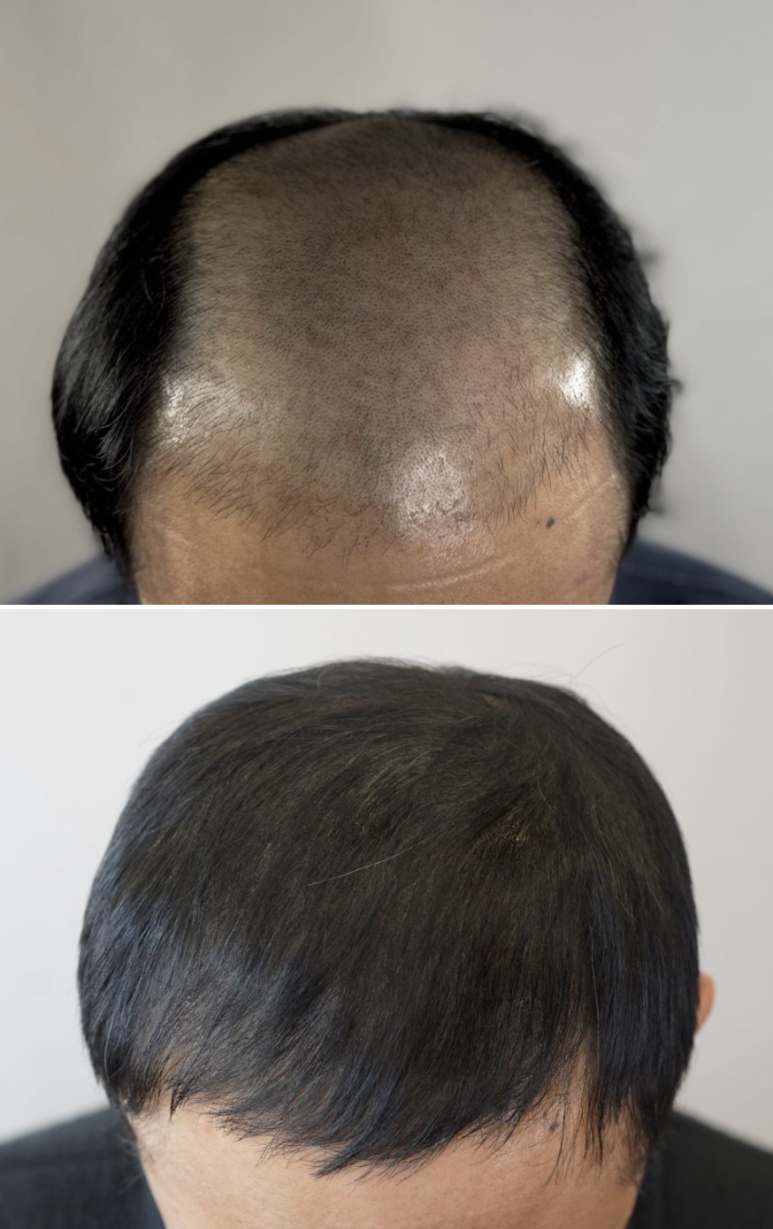
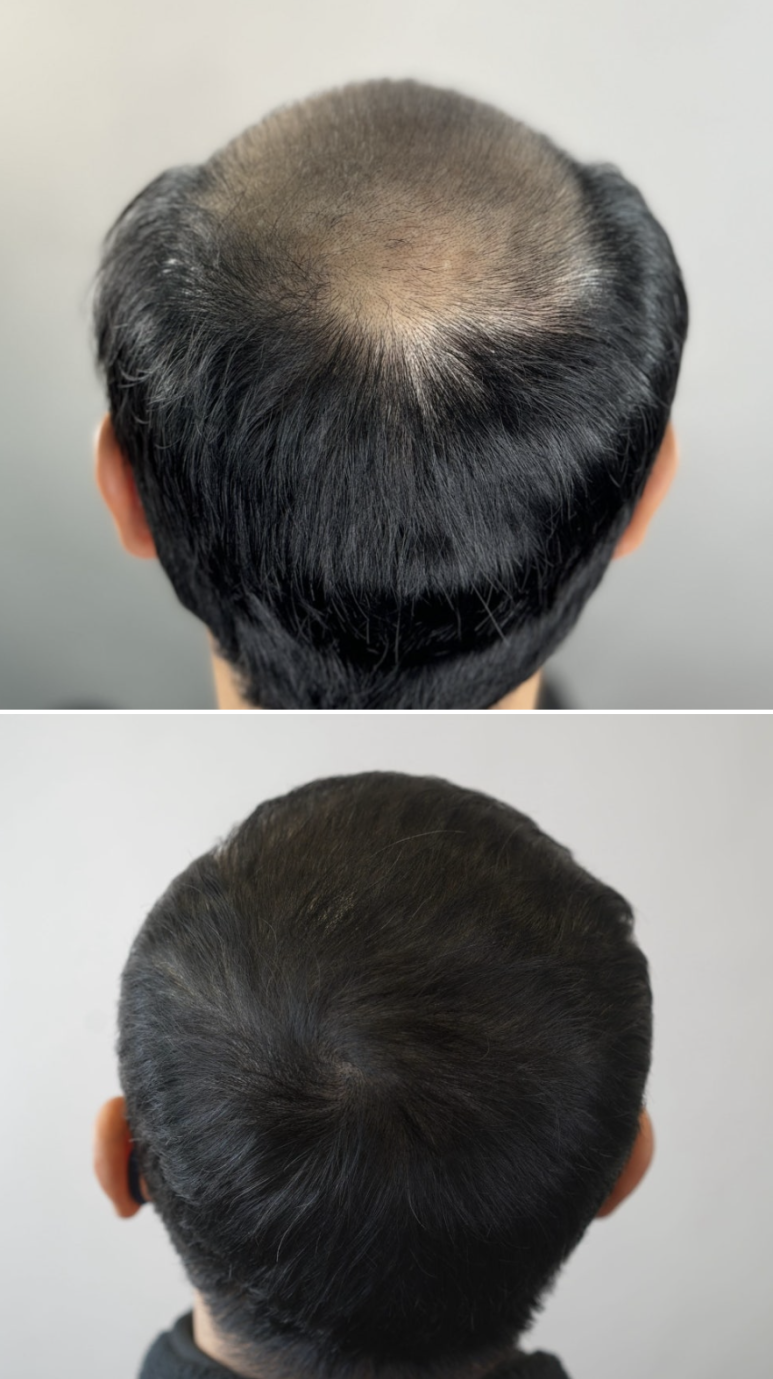
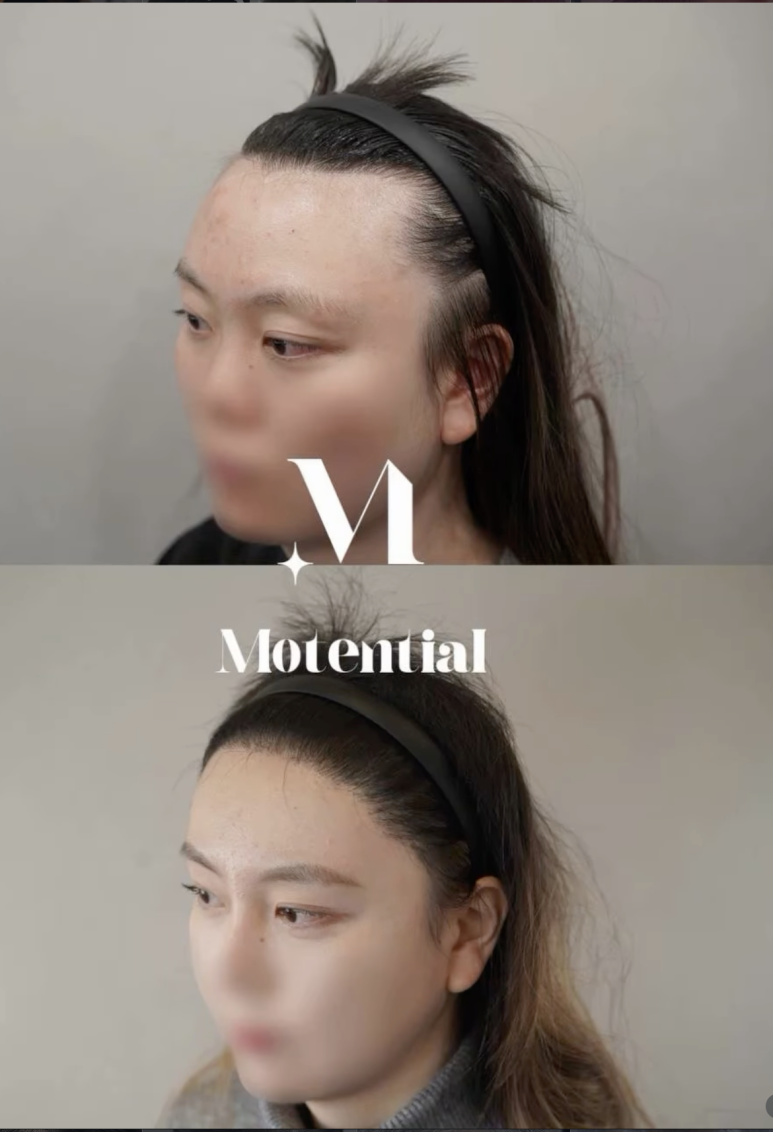
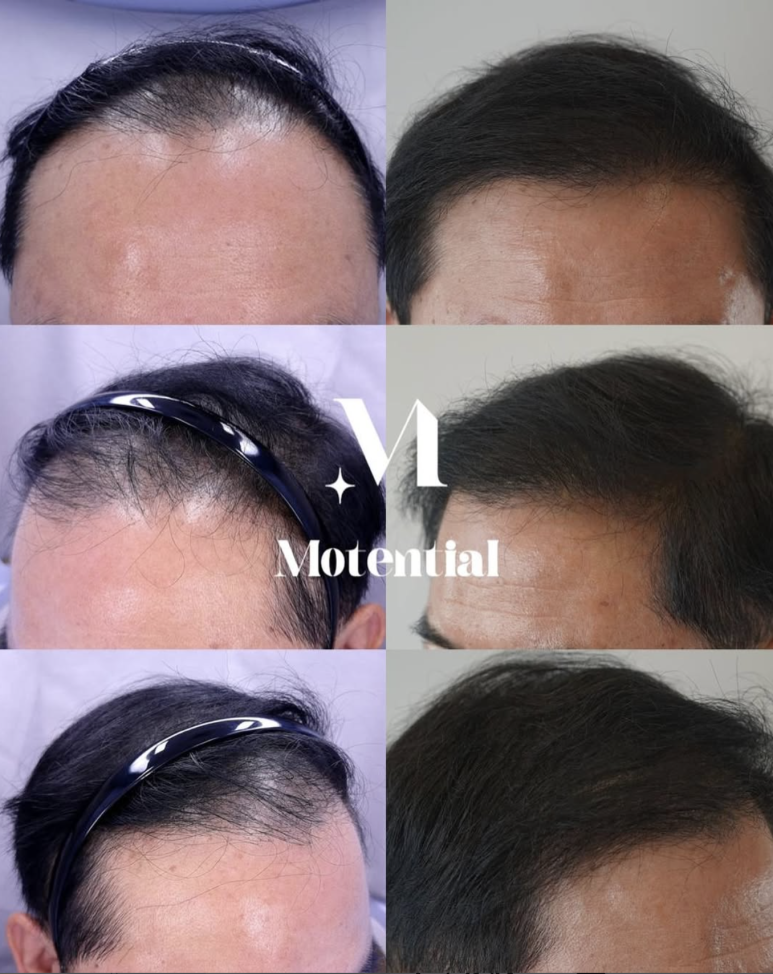
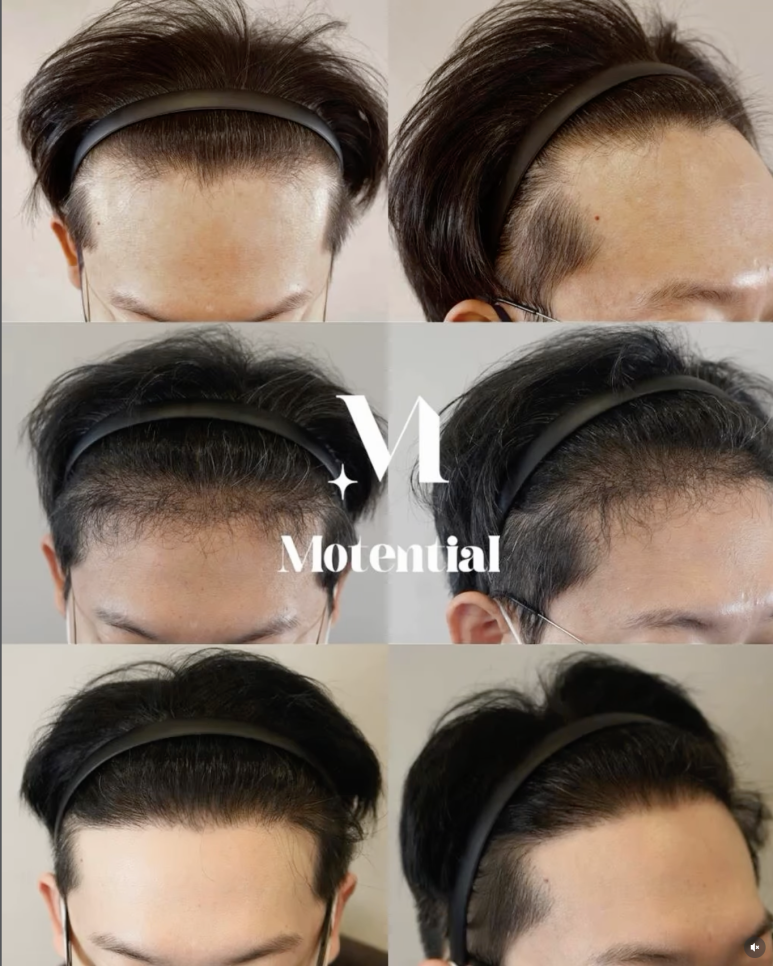
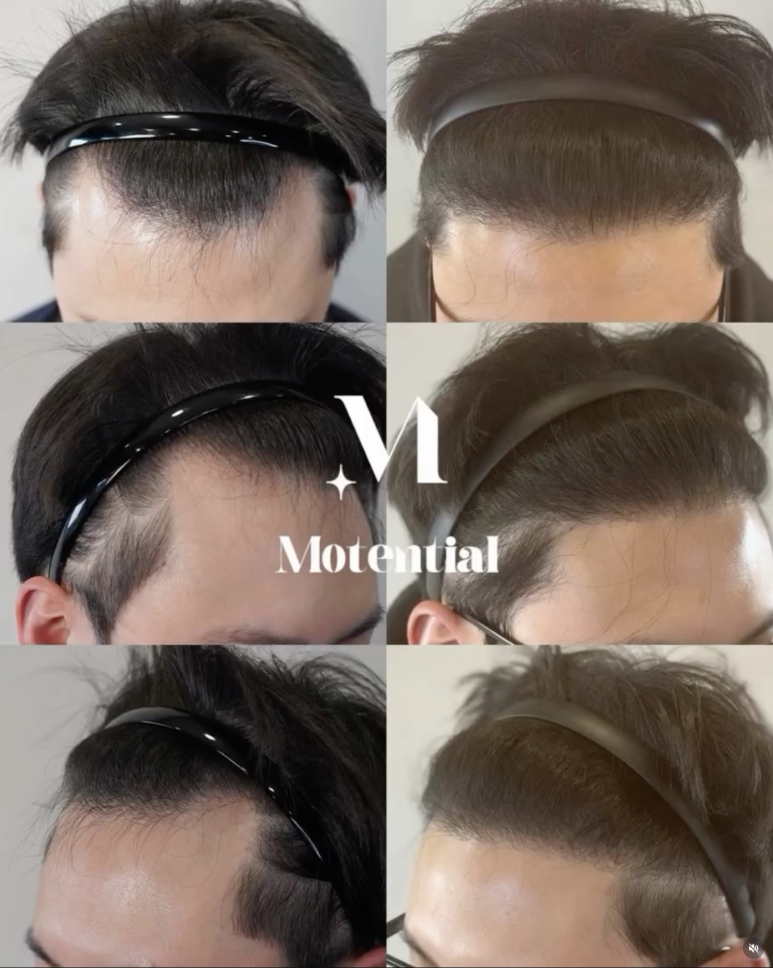
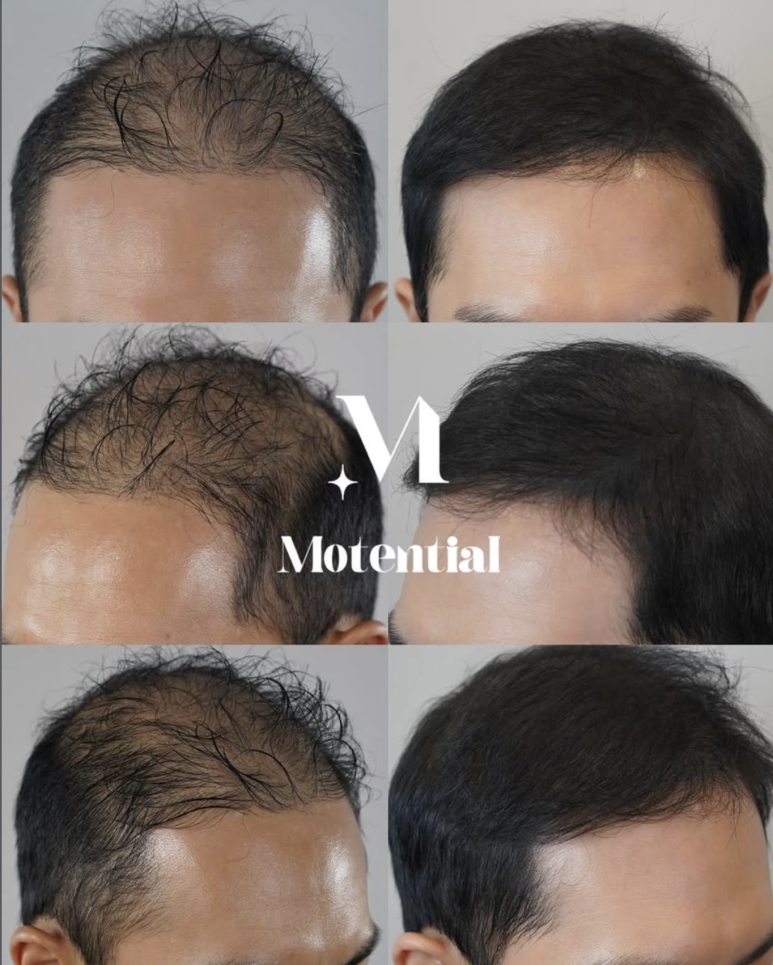
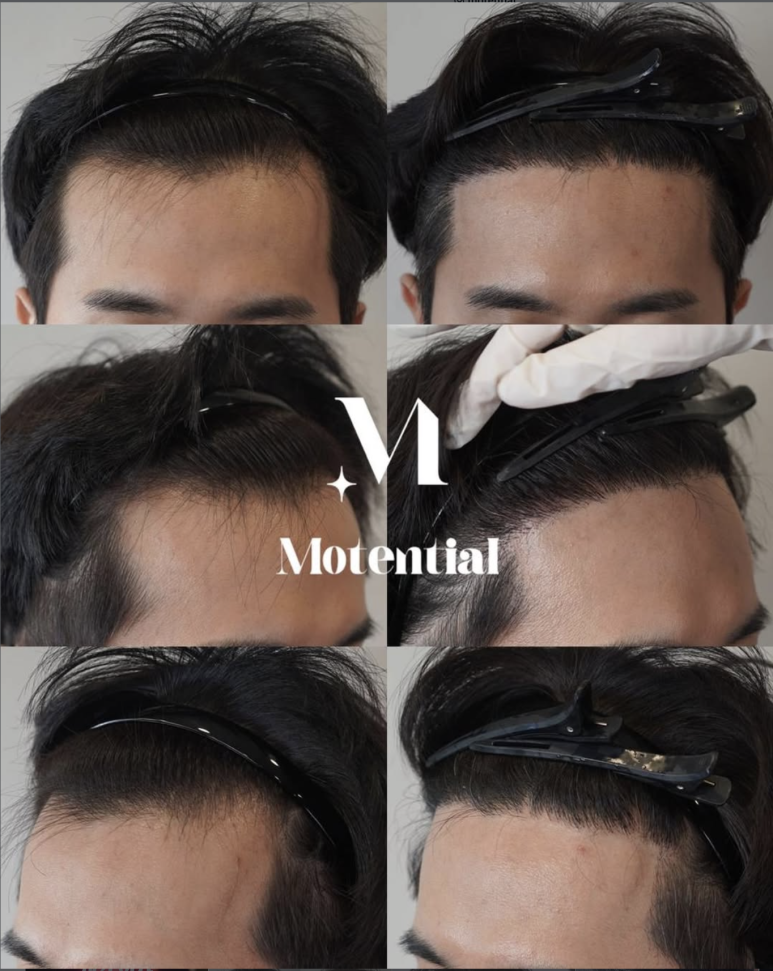
Real results — before-and-after photos of Motential patients
These are actual progress photos of patients who underwent surgery at Motential Clinic. (Published with each patient's consent)


Closing
In closing — care for a once-in-a-lifetime decision
A hair transplant is a surgery that is hard to undo once you have chosen your surgeon. That is why the decision should rest not on price or ad copy, but on a comprehensive view of the surgeon's credentials, the precision of the diagnosis, the level of the equipment, the design sense, and the accountability of the aftercare.
I hope the 8 Motential differences outlined today help you with that decision, even a little.
When you visit Motential, you will not sit through a consultation with a coordinator only and head home — you will have a detailed consultation with me from the very start.
As described today, we diagnose thoroughly with the latest equipment, and if the results show that a hair transplant is not the right choice for you, I will tell you honestly. I will recommend a more suitable treatment direction instead, such as medication or SMP.
Thank you for reading this long post.
Sincerely, Dr. Injae Lee, Motential Clinic, Cheongdam.
Motential Clinic, Cheongdam
3F Gallery JC, 415 Dosan-daero, Gangnam-gu, Seoul
Phone: 02-518-1023
Email: motential@naver.com

서울특별시 강남구 도산대로 415 갤러리제이씨 3층
0507-1488-1023
References
References
[1] American Board of Hair Restoration Surgery (ABHRS). Certification standards and diplomate directory. https://abhrs.org. 2024.
[2] Park JH, You SH, Kim NR. Classification of hair transplant outcomes by computer-assisted phototrichogram. Annals of Dermatology. 2017;29(3):353-358.
[3] Garg AK, Garg S. Donor harvesting: Follicular Unit Excision. Journal of Cutaneous and Aesthetic Surgery. 2018;11(4):195-201.
[4] Beehner ML. Hair transplantation: storage of grafts. Dermatologic Surgery. 1999;25(3):241-242.
[5] Cole JP. An analysis of follicular punches, mechanics, and dynamics in follicular unit extraction. Facial Plastic Surgery Clinics of North America. 2013;21(3):437-447.
[6] Parsley WM, Beehner ML. Methods to mitigate transection rates in follicular unit excision: a review. Hair Transplant Forum International. 2019;29(1):1-7.
[7] American Society of Anesthesiologists. Practice advisory for the perioperative management of patients with implantable pulse generators. (Related anesthesia guidance — criteria for applying non-sedation care)
[8] Lanzafame RJ, Blanche RR, Bodian AB, Chiacchierini RP, Fernandez-Obregon A, Kazmirek ER. The growth of human scalp hair mediated by visible red light laser and LED sources in males. Lasers in Surgery and Medicine. 2013;45(8):487-495.
[9] Park BS, Kim WS, Choi JS, et al. Hair growth stimulated by conditioned medium of adipose-derived stem cells is enhanced by hypoxia. Stem Cell Research & Therapy. 2010;1(2):17. (Evidence for hair growth stimulation by exosome and stem cell-derived factors)
[10] International Society of Hair Restoration Surgery (ISHRS). Practice census and FUE technical guidelines. 2023 update.
This article is medical information intended to help patients understand and does not serve as a basis for individual diagnosis or treatment. Actual treatment is always determined through an in-person consultation. The procedure result images in this article are published with the patients' consent and do not guarantee the same results for every patient.
Reservation
Start with a Diagnosis
The director examines you personally and gives honest guidance on what is possible and how.